Spring Planning for Monolithic Concrete Pouring Projects
Spring is the perfect time for property owners to connect with local contractors who specialize in monolithic concrete pouring to enhance durability and outdoor functionality.
Spring is a popular season for monolithic concrete pouring because it offers favorable weather conditions that support outdoor construction projects. As temperatures warm and the risk of freezing diminishes, property owners often find spring to be an ideal time to start large-scale concrete work. This season also typically provides longer daylight hours and more consistent weather patterns, which can help ensure the project progresses smoothly and reduces the likelihood of weather-related delays. Many property owners view spring as an opportunity to refresh or expand outdoor spaces, making it a practical choice for foundational work like concrete pouring.
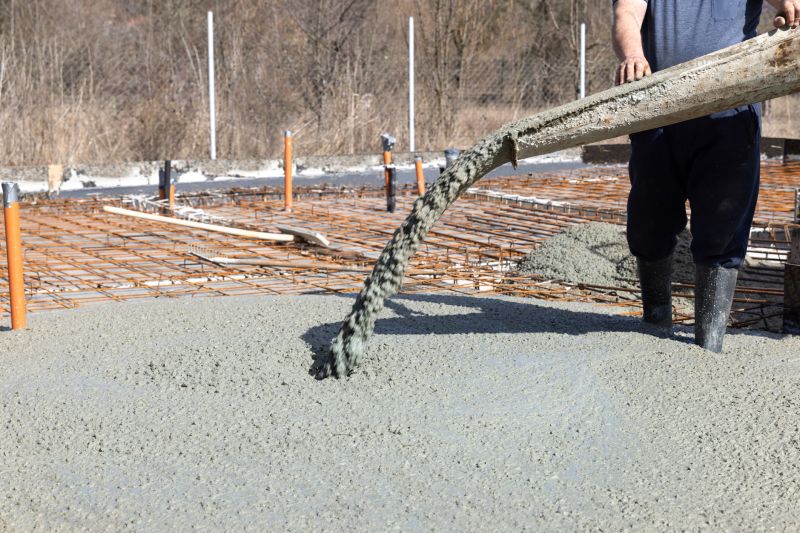
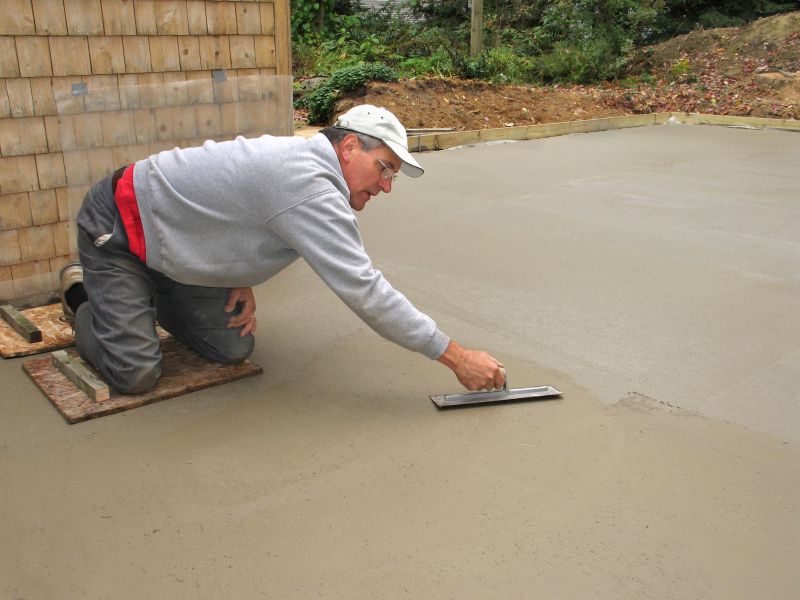
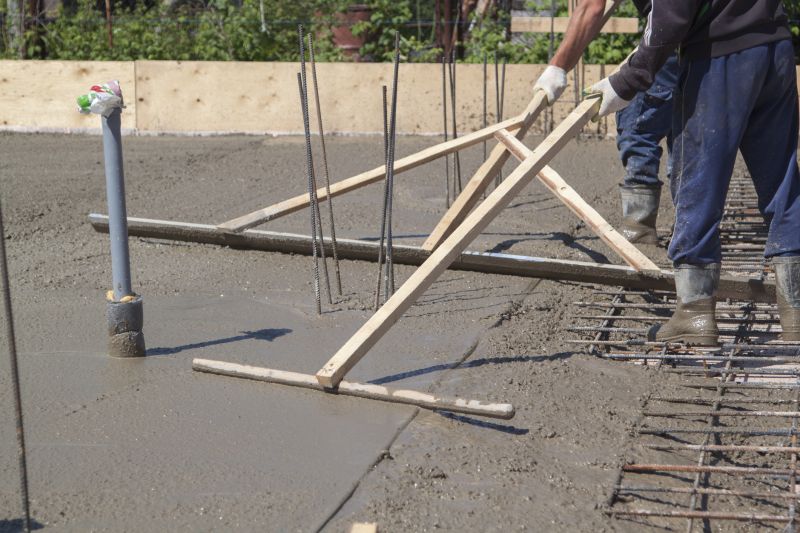
A monolithic concrete pour generally involves creating a large, continuous slab of concrete in a single process, often used for foundations, patios, driveways, or other substantial flat surfaces. The service typically covers site preparation, including grading and form setting, mixing and pouring the concrete, and finishing the surface to achieve the desired smoothness and durability. Experienced local contractors focus on ensuring proper reinforcement, consistent mixing, and precise finishing techniques to produce a durable, long-lasting result. Proper planning and execution are essential to accommodate the specific needs of each project, whether it’s a residential driveway or a commercial foundation.
Property owners interested in monolithic concrete pouring can compare local service providers by examining their experience, reputation, and the scope of services offered. It’s helpful to review the types of projects each contractor has completed and to seek recommendations or references when available. Additionally, understanding the process each professional follows-from site prep to finishing-can assist in making an informed decision. By evaluating the credentials and track record of local contractors, property owners can find options that align with their project goals and ensure the work is completed to their standards.
Compare local contractors' expertise and experience to find the best fit for your spring concrete pouring project.
- Expert Concrete Pouring - Local contractors provide precise and reliable monolithic concrete pouring services for various construction needs.
- Spring Planning Support - Service providers can assist with preparing foundations and slabs for outdoor projects during the season.
- Quality Materials and Techniques - Local pros use durable materials and proven methods to ensure long-lasting concrete work.
- Comprehensive Project Assistance - Contractors offer guidance throughout the pouring process to help achieve the desired structural results.
Before comparing options, clearly describe your monolithic concrete pouring project to connect with suitable local contractors.
- Verify site preparation is complete, including proper excavation and form installation, before pouring concrete. - Ensure that the area is level, free of debris, and adequately supported to prevent shifting during the pour.
- Check weather conditions to confirm no rain or extreme temperatures are expected during the concrete pouring process. - Proper weather planning helps prevent delays and ensures optimal curing conditions.
- Confirm that reinforcement materials such as rebar or wire mesh are correctly positioned and securely tied. - Proper reinforcement enhances the strength and durability of the finished concrete slab.
- Assess that the formwork is sturdy, properly aligned, and sealed to prevent leaks or bulges during pouring. - Well-maintained forms ensure a smooth, even surface on the finished concrete.
- Ensure that all necessary equipment, like mixers, vibrators, and finishing tools, are available and in good working condition. - Proper equipment helps achieve a consistent pour and a high-quality surface finish.
- Discuss finishing plans with local contractors to determine the appropriate techniques for smoothing and texturing the concrete surface. - Clear communication with service providers ensures the finished slab meets project expectations.
Use this as a springboard to explore ideas and refine your scope with trusted local contractors.
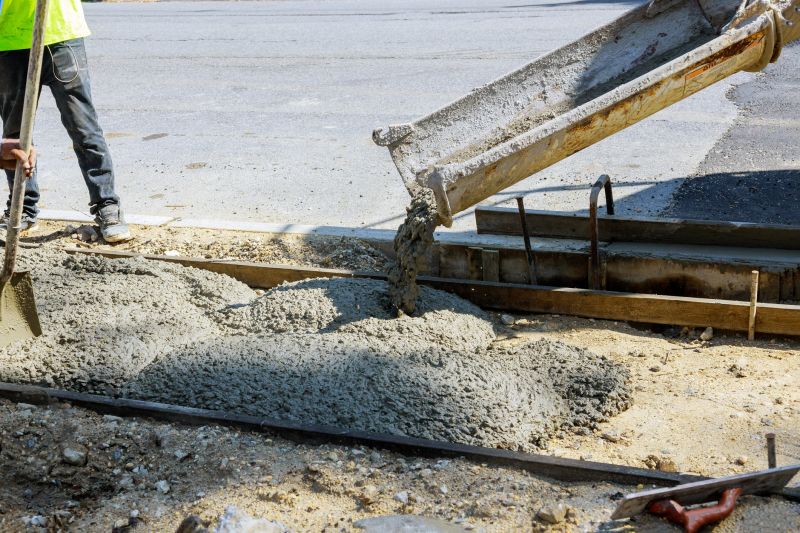
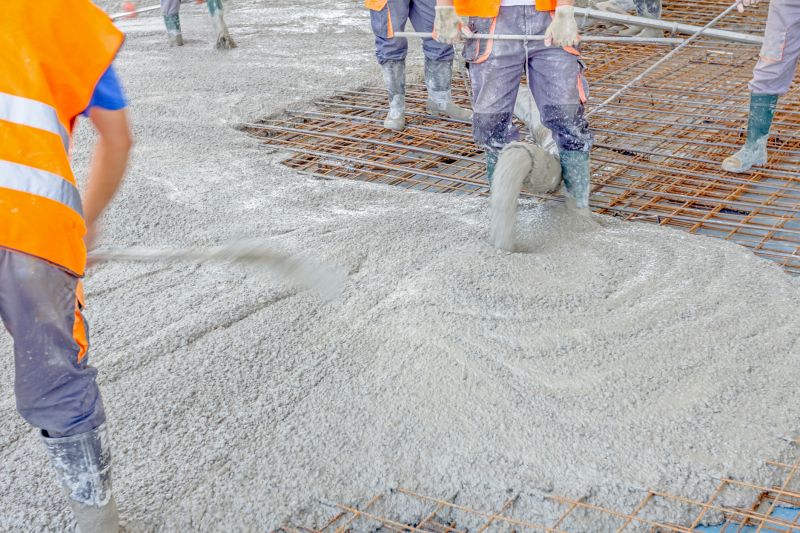
Prioritize your project needs and compare local contractors to find the best fit for your spring concrete pouring plans.
- Spring Driveway Expansion - Local contractors can handle monolithic concrete pouring to extend or replace existing driveways, providing a fresh surface for the season.
- Garden Pathway Construction - Professionals can pour durable concrete for new garden pathways that enhance outdoor aesthetics and functionality.
- Patio and Outdoor Living Areas - Local service providers can create solid concrete slabs for patios, ideal for spring gatherings and outdoor activities.
- Foundation Repairs and Additions - Contractors can perform monolithic pours to reinforce or expand building foundations as part of spring renovation projects.
- Landscape Edging and Borders - Concrete pouring services can craft continuous, sturdy borders around flower beds and lawns to define outdoor spaces.
Ensure consistent comparisons across local contractors when evaluating monolithic concrete pouring options for spring projects.
- Site Preparation - Define the necessary site clearing, grading, and form setup required before pouring concrete.
- Material Specifications - Determine the type and mixture of concrete suitable for the project’s structural needs.
- Formwork Design - Plan the formwork layout, dimensions, and reinforcement placement to ensure proper shape and stability.
- Pouring Methodology - Establish the pouring process, including sequence, equipment, and techniques to achieve an even, consistent pour.
- Curing Procedures - Outline the curing methods and duration to promote proper concrete hardening and strength development.
Spring is a popular season for home improvement projects, including large-scale concrete pouring like monolithic concrete slabs. When comparing service providers for this type of work, it’s important to consider their experience with similar projects, especially those completed during the spring season. Contractors who have a history of handling concrete pours in comparable climates and seasonal conditions are more likely to understand the specific challenges that can arise, such as weather variability or soil conditions. Reviewing a contractor’s portfolio or requesting details about past projects can help gauge their familiarity with springtime concrete work and how well they adapt to seasonal considerations.
A clear, written scope of work is essential when evaluating local contractors for monolithic concrete pouring. This documentation should outline the specifics of the project, including the size and location of the slab, preparation steps, curing processes, and any additional features needed. A detailed scope helps ensure that all parties have aligned expectations and reduces the likelihood of misunderstandings. When comparing options, it’s beneficial to ask service providers to specify what is included in their scope and whether they account for factors like site preparation, weather contingencies, and finishing techniques, especially during the variable spring months.
Work planning considerations are particularly important during the spring season, as fluctuating temperatures and unpredictable weather can impact concrete curing and setting times. Experienced local contractors will have strategies for scheduling pours to minimize weather-related delays and ensure proper curing conditions. They may also discuss their approach to managing site access, coordinating with other trades, and preparing the site in advance. When evaluating options, inquire about their planning process and how they adapt their work schedule to seasonal weather patterns, helping to select a provider with a thoughtful approach to springtime project execution.
Evaluating local service providers for monolithic concrete pouring involves examining their experience, scope clarity, and planning strategies, especially as they relate to spring conditions. It’s helpful to seek detailed information about their past projects, how they define the scope of work, and their approach to scheduling around seasonal weather. Comparing these aspects can assist in identifying contractors who are well-equipped to handle the unique demands of spring concrete work. This approach ensures that homeowners can connect with local pros capable of delivering quality results, aligned with their project needs and seasonal considerations.
Request written scope details from local contractors to ensure clarity and consistency for your spring concrete project.
- Scope Definition - What specific aspects of monolithic concrete pouring should be clarified when comparing local contractors?
- Experience & Expertise - How do different service providers' experience levels impact their ability to handle spring-focused pouring projects?
- Material & Technique - What materials and pouring techniques do local contractors typically recommend for spring conditions?
- Project Planning - How do local pros approach planning and preparing for concrete pours during spring weather?
- Service Scope - What range of services do local contractors include in their monolithic concrete pouring offerings?
What is monolithic concrete pouring? Monolithic concrete pouring involves casting a large, continuous slab of concrete in a single process, creating a seamless and durable foundation or surface.
Why choose monolithic pouring for spring projects? Spring is a popular time for outdoor upgrades, and monolithic pouring provides a strong, unified surface ideal for patios, driveways, and flooring refreshes.
How do local contractors prepare for a monolithic pour? They typically prepare the site by leveling the ground, setting formwork, and ensuring proper reinforcement before pouring to achieve a smooth, consistent slab.
What factors influence the success of a monolithic concrete pour? Proper site preparation, quality materials, weather conditions, and experienced service providers all play key roles in a successful pour.
Are there specific spring considerations for monolithic pouring? Yes, contractors often account for spring weather variability and soil conditions to ensure the concrete cures properly and maintains strength.
How can homeowners connect with local pros for monolithic concrete pouring? By using lead generation services, homeowners can compare local contractors and find experienced service providers to handle their spring concrete projects.
Spring is a popular time to undertake concrete pouring projects, and understanding the process can help in planning a successful job. Visitors have learned about the key steps involved in monolithic concrete pouring, including preparation, mixing, pouring, and finishing, along with important considerations to ensure a durable result. By exploring local contractors, homeowners and property managers can find experienced service providers equipped to handle their specific needs.
To compare options and connect with local contractors skilled in monolithic concrete pouring, visitors are encouraged to use the quote form. This simple step can help identify the right professionals to support springtime project plans, ensuring the job is handled by trusted local service providers who understand the requirements of concrete work.
Providing clear details about your monolithic concrete pouring project helps local contractors understand your needs and plan effectively.
- Experience - Share details about your previous concrete pouring projects or specific requirements for your monolithic pour.
- Site Details - Provide information about the location, size, and accessibility of the area where the concrete will be poured.
- Design Specifications - Describe any particular design features, thickness, or reinforcement needs for the concrete pour.
- Preparation - Outline the current condition of the site and any preparation work already completed or needed before pouring.